Colon vs Rectal Cancer: What’s the Difference?

Dr Ho Kok Sun
Colorectal & General Surgeon
MBBS (Singapore), M Med (General Surgery) (Singapore), FRCS (General Surgery) (Edinburgh), FAM (Singapore)
Have you recently come across the terms colon cancer and rectal cancer and wondered whether they refer to the same condition? Or perhaps you or someone close to you has received a diagnosis and you're trying to understand what it means.
Although both are types of colorectal cancer, they are not identical. The part of the bowel where the cancer develops can influence the symptoms you experience, the tests needed for diagnosis and the treatment approach recommended. Understanding these differences can help you feel more informed and better prepared for the next steps.
What Is Colon Cancer?
Colon cancer occurs when malignant tumours develop in the lining of the colon. Like many cancers, it often begins as a non-cancerous polyp that gradually becomes cancerous over several years if left untreated.
One of the challenges with colon cancer is that it often causes few or no symptoms in its early stages. As the disease progresses, symptoms may include:
- Rectal bleeding or blood in the stool
- Persistent changes in bowel habits
- Changes in the appearance or consistency of stool
- Recurring abdominal pain or cramping
- A persistent feeling of incomplete bowel emptying
- Unexplained weight loss
- Fatigue or weakness, sometimes due to iron deficiency anaemia
What Is Rectal Cancer?
Rectal cancer develops in the rectum, the last section of the large intestine before the anus. Like colon cancer, it often begins as a polyp that slowly changes over time.
Because the rectum sits within the pelvis and is surrounded by muscles, nerves and other important structures, rectal cancer often requires a different treatment approach from colon cancer.
Symptoms may include:
- Bright red bleeding during bowel movements
- A feeling that the bowel has not emptied completely
- Narrow stools
- Persistent changes in bowel habits
- Pelvic discomfort or pain
Many of these symptoms overlap with those of colon cancer and can also occur with non-cancerous conditions such as haemorrhoids. However, persistent or unexplained symptoms should always be assessed by a colorectal specialist.
Do Colon and Rectal Cancer Share the Same Risk Factors?
Colon and rectal cancer have many of the same risk factors because they both develop within the large intestine. Your risk may be higher if you:
- Are aged 50 or above
- Have a family history of colorectal cancer
- Have previously had colorectal cancer or adenomatous polyps
- Have inflammatory bowel disease such as ulcerative colitis or Crohn's disease
- Lead a sedentary lifestyle
- Eat a diet that is low in fibre and high in fat or calories
- Are overweight or obese
- Smoke or consume excessive alcohol
Having one or more risk factors does not necessarily mean you will develop cancer. However, recognising these factors can help determine when screening should begin.
How Are Colon and Rectal Cancer Diagnosed?
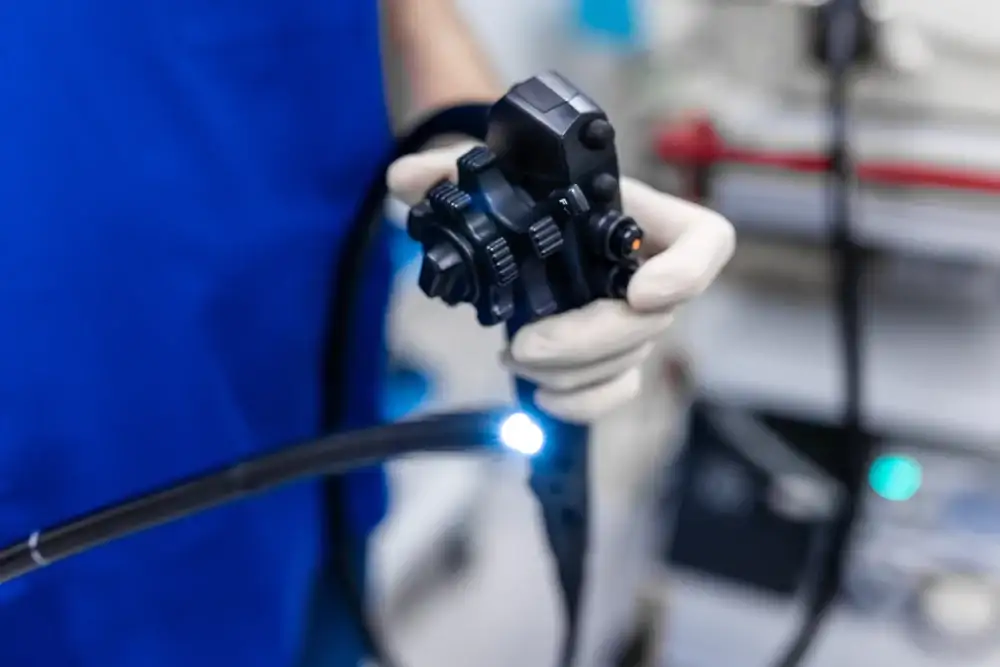
The assessment for colon and rectal cancer begins with a review of your symptoms, medical history and family history. Based on this, your doctor may recommend further investigations to confirm the diagnosis and determine the extent of the disease.
Colonoscopy
A colonoscopy is the primary test used to examine the entire colon and rectum. Using a flexible camera inserted through the anus, your doctor can identify abnormalities such as polyps or suspicious growths.
If abnormal tissue is found, a biopsy can be performed during the same procedure to confirm whether cancer is present. Polyps can also be removed, which may help prevent some colorectal cancers from developing.
Biopsy
A biopsy confirms whether abnormal tissue contains cancer cells and provides important information about the tumour, including its type and characteristics.
Imaging Scans
CT scans are commonly used to determine whether cancer has spread beyond the bowel. For rectal cancer, MRI of the pelvis is often recommended because it provides detailed images of the rectum and surrounding tissues. This helps doctors accurately assess the tumour and plan treatment.
How Does Treatment Differ?
Although surgery is an important treatment for both conditions, the treatment pathway often differs depending on where the cancer is located.
Colon Cancer Treatment
For most patients with localised colon cancer, surgery is the primary treatment. The affected section of the colon and nearby lymph nodes are removed before the healthy ends of the bowel are rejoined.
Depending on the stage of the cancer and the pathology findings, chemotherapy may be recommended after surgery to reduce the risk of recurrence.
Rectal Cancer Treatment
Rectal cancer may require a different treatment approach because of its location within the pelvis. For locally advanced rectal cancer, chemotherapy and radiotherapy may be recommended before surgery to shrink the tumour. Depending on the pathology results, some patients may also require chemotherapy after surgery.
Seeking the Right Care for Colon and Rectal Cancer
Although colon cancer and rectal cancer are closely related, knowing these differences can help you better understand the condition, ask informed questions during consultations and appreciate why treatment plans are tailored to each individual.
At our colonoscopy clinic in Singapore, care is provided under the guidance of Dr Ho Kok Sun, who offers assessment and treatment for patients with colon and rectal cancer. If you have ongoing bowel symptoms, have received a recent diagnosis or would like a second opinion, arrange a consultation and take the next step towards understanding your diagnosis and planning your care.
Frequently Asked Questions About Colon and Rectal Cancer
Is rectal cancer considered more serious than colon cancer?
Can colon or rectal cancer return after treatment?
Does every colon or rectal polyp become cancer?
Meet Our Colonoscopy Specialist in Singapore

Dr Ho Kok Sun
Consultant Colorectal & General Surgeon
MBBS (Singapore), M Med (General Surgery) (Singapore)
FRCS (General Surgery) (Edinburgh), FAM (Singapore)
Dr Ho Kok Sun is a colorectal surgeon in Singapore with extensive experience in the prevention, diagnosis and treatment of colorectal conditions. He performs colonoscopy for colorectal cancer screening, investigation of bowel symptoms and the diagnosis of conditions affecting the colon and rectum. After completing his surgical training in Singapore, he undertook a colorectal surgery fellowship at Cleveland Clinic Florida and has practised exclusively in colorectal surgery since.

Our care team will be here for you before, during, and after your procedure.We strive to provide the highest quality of surgical care to our patients in a caring, compassionate, and respectful manner to ensure your healthy recovery.
3 Mount Elizabeth, Mount Elizabeth Medical Centre#04-08, Singapore 228510
| Tel | : | (+65) 6737 2778 |
| : | hokoksuncolorectal@gmail.com |
Operating Hours:
| Mon - Fri | : | 9am - 1pm, 2pm - 5pm |
| Sat | : | 9am - 1pm |
| Closed | : | Sunday, Public Holiday |