Is a Colonoscopy Still Necessary if You Have No Symptoms?

Dr Ho Kok Sun
Colorectal & General Surgeon
MBBS (Singapore), M Med (General Surgery) (Singapore), FRCS (General Surgery) (Edinburgh), FAM (Singapore)
You feel well, your bowel habits have not changed and you have not noticed any bleeding. So, why would you consider an invasive test such as a colonoscopy when nothing seems to be wrong?
Colorectal screening may still be recommended even when you have no symptoms, although this does not mean every symptom-free adult needs a colonoscopy. Whether you need one depends on your age, screening history and risk of colorectal cancer.
Why Might You Need a Colonoscopy Without Symptoms?
Some colorectal polyps and early cancers may develop without causing noticeable symptoms. Colonoscopy allows the inner lining of the colon to be examined directly, making it possible to identify these changes before symptoms appear. Certain polyps can also be removed during the procedure, helping to reduce the risk of colorectal cancer.
Screening vs Diagnostic Colonoscopy
Screening is intended for people without symptoms of colorectal disease. A colonoscopy performed to investigate rectal bleeding, persistent changes in bowel habits, abdominal pain or iron-deficiency anaemia serves a different purpose: identifying the cause of an existing concern.
New, persistent or worsening symptoms should be evaluated rather than left until the next scheduled screening test.
When to Begin Colorectal Screening
Colorectal cancer risk generally increases with age. In Singapore, average-risk adults are generally advised to begin colorectal cancer screening from age 50, with options including annual faecal immunochemical testing (FIT) or colonoscopy at recommended intervals.
People with a higher risk of colorectal cancer may need to begin screening earlier.
When Might You Not Need a Colonoscopy Immediately?
Colonoscopy may not be necessary immediately if you are already following an appropriate colorectal screening schedule. This depends on your previous screening results, when your last test was performed and whether you have any risk factors that warrant closer surveillance.
Annual FIT Screening
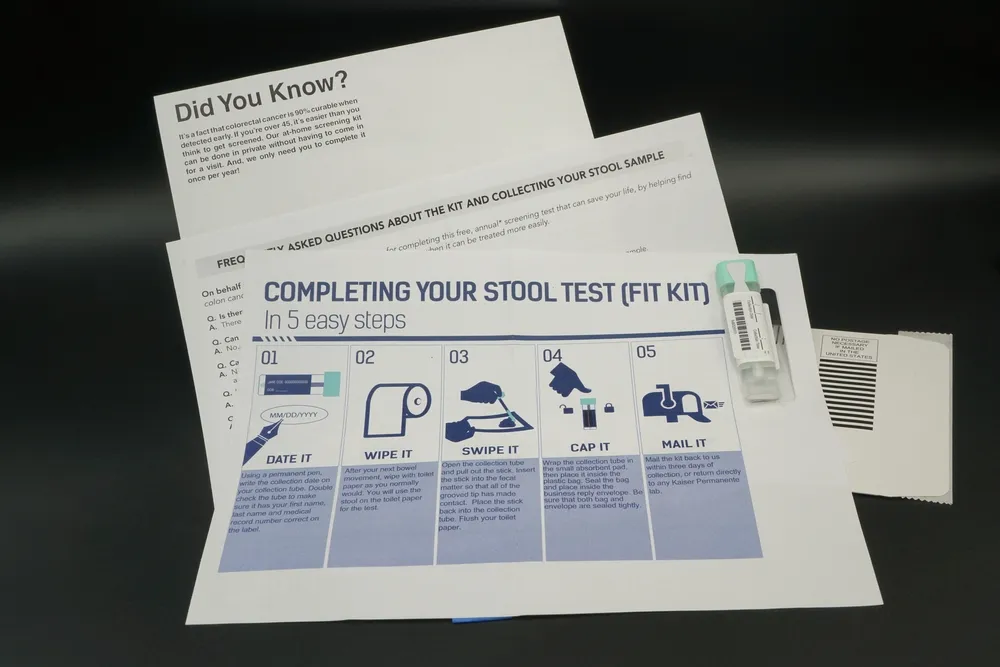
The faecal immunochemical test (FIT) is a non-invasive stool test that detects small amounts of blood not visible to the naked eye. It is a screening option for average-risk adults and should be completed annually when used as the chosen screening method.
A negative FIT result means that blood above the test's detection threshold was not found in the sample. However, polyps and cancers may not bleed continuously, so a negative result does not rule out colorectal disease. Annual screening remains important for those using FIT.
Recent Normal Colonoscopy Results
After a complete, high-quality colonoscopy with no concerning findings, an average-risk adult may not need another examination for up to 10 years. Repeating the procedure earlier than recommended may expose patients to unnecessary preparation, costs and procedural risks.
The recommended interval depends on the quality of the previous examination, its findings and your individual risk factors. If the timing of your next colonoscopy is unclear, refer to your previous report or confirm the recommendation with your doctor.
When Is a Colonoscopy More Likely to Be Recommended?
Certain screening results and medical or family histories may make colonoscopy more appropriate than routine stool-based screening. These circumstances can require direct examination of the colon or surveillance at shorter intervals.
Positive FIT Results
A positive FIT does not necessarily mean that cancer is present. It indicates that blood has been detected in the stool, which may come from colorectal polyps, cancer or other causes.
Colonoscopy is generally recommended following a positive FIT to investigate the source of bleeding, even if you have no symptoms. The procedure allows the colon to be examined directly, with suspicious tissue sampled and suitable polyps removed where appropriate.
Previous Colorectal Polyps or Disease
A history of colorectal polyps or cancer may require surveillance outside the standard population screening schedule. The timing of subsequent colonoscopies depends on previous findings, including the number, size and histological features of any polyps removed.
People with long-standing inflammatory bowel disease affecting the colon may also require regular colonoscopic surveillance. The recommended intervals depend on the extent and duration of inflammation, as well as other risk factors.
Family History of Colorectal Cancer or Polyps
A family history of colorectal cancer can affect when colonoscopy screening should begin. In Singapore, people with a first-degree relative diagnosed at age 60 or younger, or two or more affected first-degree relatives, are generally advised to begin colonoscopy screening at age 40 or 10 years before the youngest affected relative's diagnosis, whichever is earlier.
A family history of advanced adenomas or advanced serrated polyps may also warrant earlier screening. The relationship to the affected family member, their age at diagnosis and the type of colorectal abnormality identified help determine the appropriate screening schedule.
Find Out Whether a Colonoscopy Is Appropriate for You With Dr Ho Kok Sun
If you have no colorectal symptoms, deciding whether to undergo a colonoscopy may not be straightforward. Previous screening results and your risk of colorectal cancer can influence whether a colonoscopy is needed now, whether another screening method is suitable or when your next examination should take place.
At our colonoscopy clinic in Singapore, Dr Ho Kok Sun provides guidance on colorectal screening based on your medical history and individual risk factors. To discuss whether you may need a colonoscopy, contact our clinic to arrange a consultation.
FAQs about Having a Colonoscopy for Screening without Symptoms
How reliable is a previous normal colonoscopy result?
Do normal blood test results mean I do not need a colonoscopy?
Can an abdominal CT scan replace a colonoscopy?
Meet Our Doctor
Dr Ho Kok Sun
Consultant Colorectal & General Surgeon
MBBS (Singapore), M Med (General Surgery) (Singapore)
FRCS (General Surgery) (Edinburgh), FAM (Singapore)
Dr Ho Kok Sun has been committed to treating colorectal conditions through minimally invasive surgical techniques for over two decades. Dr Ho was previously President of the ASEAN Society of Colorectal Surgeons and the Society of Colorectal Surgeons (Singapore), as well as a founding member of the Eurasian Colorectal Technologies Association. Dr Ho was actively involved in the training of medical students and residents and has published widely in reputable journals and book chapters. He believes that treatment should always be personalised to the patient’s needs.

Our care team will be here for you before, during, and after your procedure.We strive to provide the highest quality of surgical care to our patients in a caring, compassionate, and respectful manner to ensure your healthy recovery.
3 Mount Elizabeth, Mount Elizabeth Medical Centre#04-08, Singapore 228510
| Tel | : | (+65) 6737 2778 |
| : | hokoksuncolorectal@gmail.com |
Operating Hours:
| Mon - Fri | : | 9am - 1pm, 2pm - 5pm |
| Sat | : | 9am - 1pm |
| Closed | : | Sunday, Public Holiday |